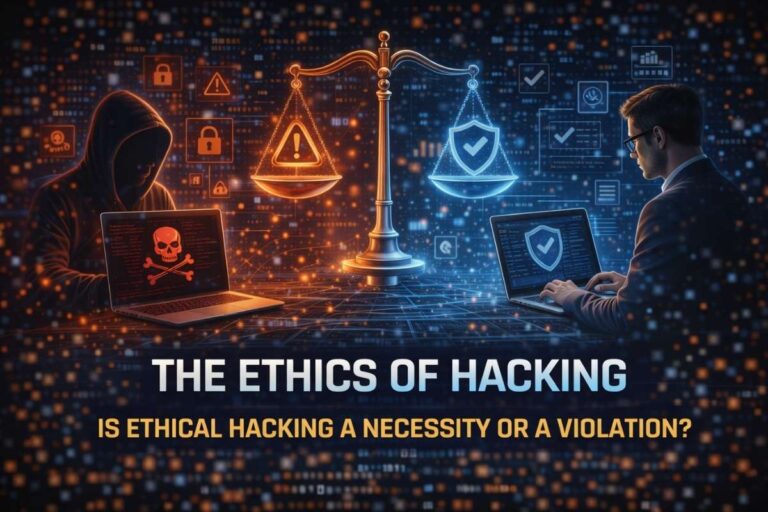
Let’s face it: the digital world isn’t just a playground; it’s a battlefield. Enter the realm of ethical hacking, where the line between hero and villain is blurrier than a poorly taken selfie. Ethical hackers swoop in like white knights, exposing vulnerabilities and fortifying defenses, but at what cost? Are they the good guys fighting a necessary war against cybercrime, or are they just modern-day gatecrashers who might be crossing ethical boundaries? Buckle up; we’re diving headfirst into this electrifying debate!
The Justification for Ethical Hacking
First up, let’s look at why ethical hacking is often viewed as a necessity. In a world where cybercrime is projected to cost the global economy a whopping $10.5 trillion by 2025, having ethical hackers in our corner feels like having a secret weapon against cyber thugs.
Kevin Mitnick, a reformed hacker turned security expert, puts it bluntly: “The biggest risk isn’t that hackers will break into your system; it’s that they won’t.” Ethical hackers are akin to your neighborhood watch, shining a flashlight into the dark corners of the internet, illuminating threats before they turn into catastrophic breaches.
The Ethical Dilemma: Hero or Hacker?
But hold your horses! Not everyone is sold on the ethical hacking hype. Critics argue that ethical hacking can easily morph into something far less innocent. The moment a hacker breaches a system—permission or not—they’re stepping onto shaky moral ground. What if they accidentally unleash chaos instead of fixing it?
Bruce Schneier, a legend in cybersecurity circles, highlights this ethical tightrope: “Ethical hackers can easily become unethical if they aren’t held accountable.” Imagine the uproar if a white hat hacker accidentally caused system outages or exposed sensitive information. The debate spirals deeper: if anyone has the right to sneak into a system, who’s to say where it all ends?
The Legal Minefield
Let’s talk legality because this adds a spicy twist to the conversation. Depending on where you live, ethical hacking can swing from heroism to criminality faster than a TikTok trend. In the U.S., the Computer Fraud and Abuse Act (CFAA) lays down the law, and trust me, it’s a double-edged sword. Many ethical hackers are left walking a legal tightrope, where even good intentions can lead to serious repercussions.
This isn’t just some minor detail; it’s a real concern. Ethical hackers must navigate a minefield of regulations and permissions. Without crystal-clear agreements, they risk being treated like the very criminals they aim to catch.
📌 Recommended Reading
What Happens to Your Data When Using ChatGPT?Alternative Perspectives: Too Much Power?
While we love a good hero story, let’s not forget about the darker side of power. Ethical hackers hold considerable authority and access. Are we really comfortable with individuals probing our most sensitive data, even if they declare themselves as the “good guys”? The potential for abuse is a hot topic.
In fact, a survey by Cybersecurity Insiders found that 83% of organizations are concerned about unethical practices among ethical hackers. The irony? Those who are supposed to safeguard our data might actually be the biggest threat.
Final Thought
The conversation surrounding ethical hacking is a double-edged sword—it’s as essential as it is controversial. While these digital warriors shine a light on vulnerabilities, they also dance on the edge of ethical violation. The truth is, we need ethical hackers, but we also need stringent guidelines to keep them in check.
As our reliance on tech deepens, so must our dialogue on who gets to roam our digital spaces. In a world where the battle between cybersecurity and cybercrime rages on, let’s keep questioning, keep challenging, and never just accept that the end justifies the means.
Q&A Section
1. What defines ethical hacking?
Ethical hacking involves authorized testing of systems to find vulnerabilities, distinguishing it from malicious hacking.
2. What are the main ethical concerns?
The main issues revolve around permissions, potential harm from testing, and the moral implications of having access to sensitive information.
3. Are there legal protections for ethical hackers?
Yes, but they vary by jurisdiction. Ethical hackers must obtain consent and understand local laws to avoid potential criminal charges.
😄 Cyber Joke
Why did the ethical hacker always ask for permission first?
Because they didn’t want their “white hat” turning into a “black mark”! 😄